An agent makes the film. You finish it.
Describe the feeling. Watch it become a film, already yours.
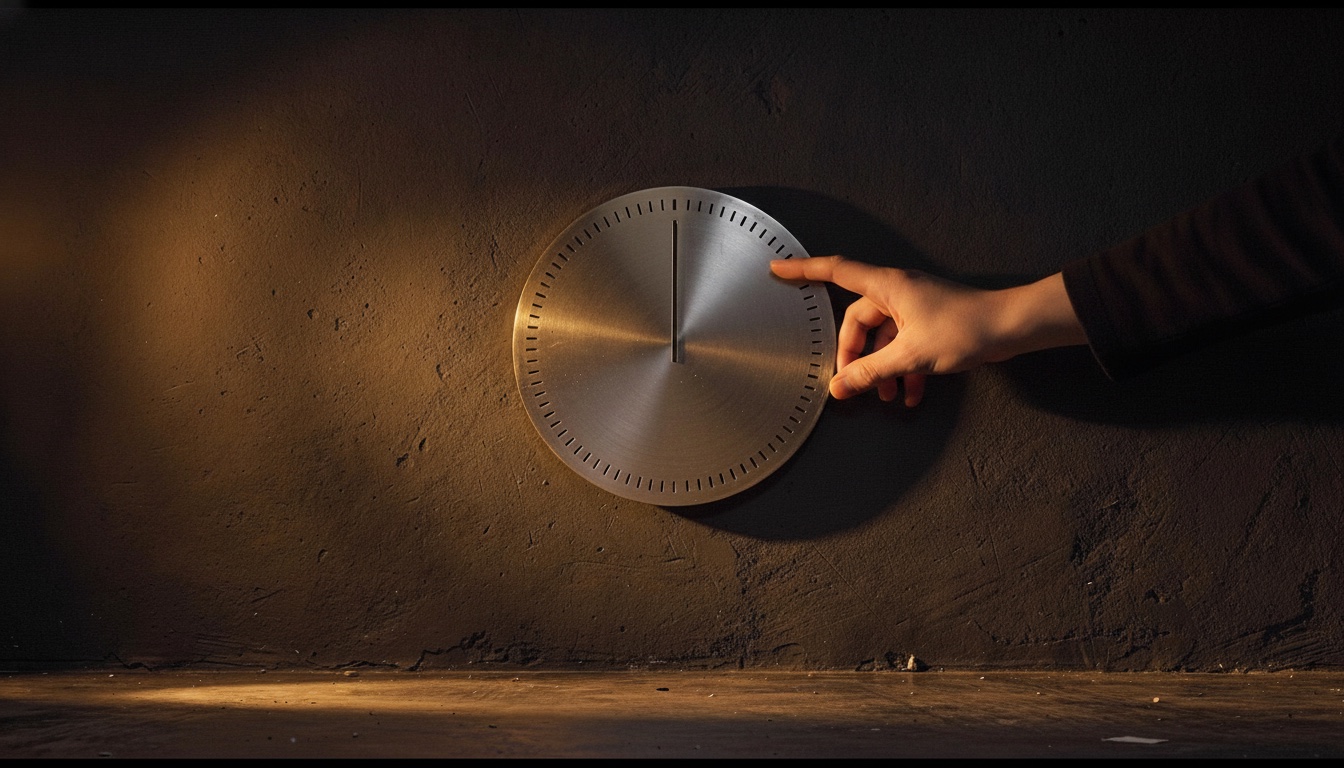
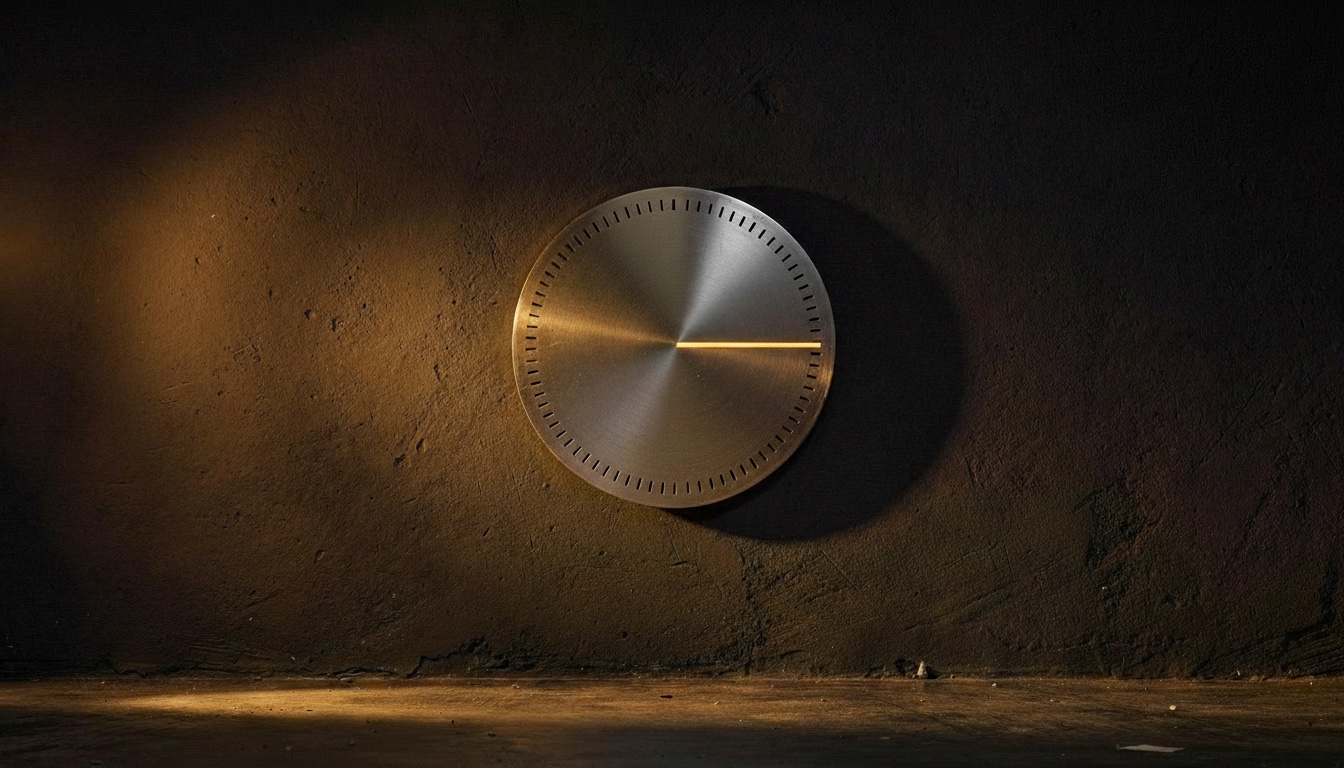
Two frames, ten scenes apart
The hardest thing about AI video is that the second shot forgets the first one. A room changes. A light moves. An object comes back a different object.
Studio settles that before anything renders. The cast, the props and the places are fixed first, as reference the whole film is built against, so scene eleven stands in the same room as scene one, not one that resembles it.
Every shot gets the model that suits it
No single model is best at everything, and the best one changes month to month. So Studio doesn’t pick one and live with it.
It chooses per shot from a catalogue of two dozen video models and about as many for stills, drawn from more than one supplier, so no single supplier owns how your work looks. A model only routes on its own once it has been validated here. Anything short of that waits for a person to pick it, not the router.
The catalogue widens as the field advances. Nothing about your operation changes when it does.
How a film is made
Six gates. Nothing advances past one until you approve it.
- 01Brief. You describe the film in plain language: audience, mood, what has to be in it. Nothing runs until you approve the brief.
- 02Script. It writes the screenplay: scene by scene, action and voiceover. Read it, change a line, approve it.
- 03Storyboard. It boards every scene as one frame per shot, so you see the whole film before a single one renders.
- 04References. It locks the look: the cast, the product, the place. That is what makes the same face, the same object and the same light hold across every scene.
- 05Production. It renders every shot, priced before it runs, and stops at the number you set.
- 06Master. It assembles the cut, scores it, and hands you a working editor. Reshoot a scene, trim the timeline, swap a shot yourself. Anything still waiting on your call lands on the desk, the same surface the rest of the operation uses.
What the brand enforces
- Your voice, learned from your own work, is enforced on every script it writes.
- Every frame is checked against your palette, type, and logo before the film is yours to approve.
- Not generic agent output. If it doesn't sound and look like you, it doesn't ship.
Before it goes live
- Every studio is tuned to your brand, your cast, and your voice before it runs.
- Your studio is tuned to your brand, your cast, and your voice in week one.
- It runs only after that calibration holds. Nothing ships untuned.
Corrections
Correction, 14:02. Scene 04 rendered on schedule. The render stalled on scene 04. Retried at 14:10. Shipped 14:12.